Eco-Friendly Home Renovation Tips for Sustainable Living
Incorporating Eco-Friendly Solutions in Home Renovation
For homeowners with properties that are 15-20 years old or older, understanding the importance of eco-friendly renovation is essential. Not only do sustainable materials and methods improve energy efficiency, but they also contribute to a healthier living environment, especially for families with children. By focusing on renovations that emphasize ecological consciousness, you can create a home that benefits both your family’s well-being and the planet.
Benefits of Window and Door Replacement
Replacing old windows and doors is a practical way to enhance energy efficiency. Modern advancements in materials offer better insulation, reducing the need for excessive heating or cooling. Here are some crucial advantages of making this upgrade:
- Improved insulation leading to lower energy bills.
- Increased home value, a significant factor for property owners planning to sell.
- Enhanced curb appeal and aesthetics, offering a fresh look for your dwelling.
Choosing high-quality windows and doors is vital. Opting for durable materials that can withstand harsh climates can help mitigate future maintenance costs and ensure your home remains safe and comfortable.
Upgrading Insulation for Energy Efficiency
Investing in new insulation is another strategic move for homeowners looking to maximize energy efficiency. Insulation works by minimizing heat loss during winter and reducing heat gain in summer, leading to a more stable indoor climate regardless of external conditions.
When considering insulation options, eco-friendly materials should be prioritized. Sustainable insulation choices such as cellulose, sheep’s wool, or even recycled denim offer exceptional performance while reducing environmental impact. It’s advisable to consult with professionals who specialize in energy-efficient homes to ensure the best materials are used.
Choosing Safe and Eco-Friendly Paints
Renovating your home offers a perfect opportunity to refresh your space using eco-friendly paint options. Traditional paints often contain harmful chemicals, but safe home paints are available that help to maintain air quality. When selecting paints for your next project, consider the following:
- Look for low or zero-VOC (volatile organic compounds) paints.
- Investigate the best Canadian paints known for durability and environmental friendliness.
- Explore options for finishes that will stand the test of time while being gentle on the environment.
Choosing the right paint not only contributes to a healthier living atmosphere but also adds a layer of stylish durability to your renovations.
Choosing Sustainable Flooring Options
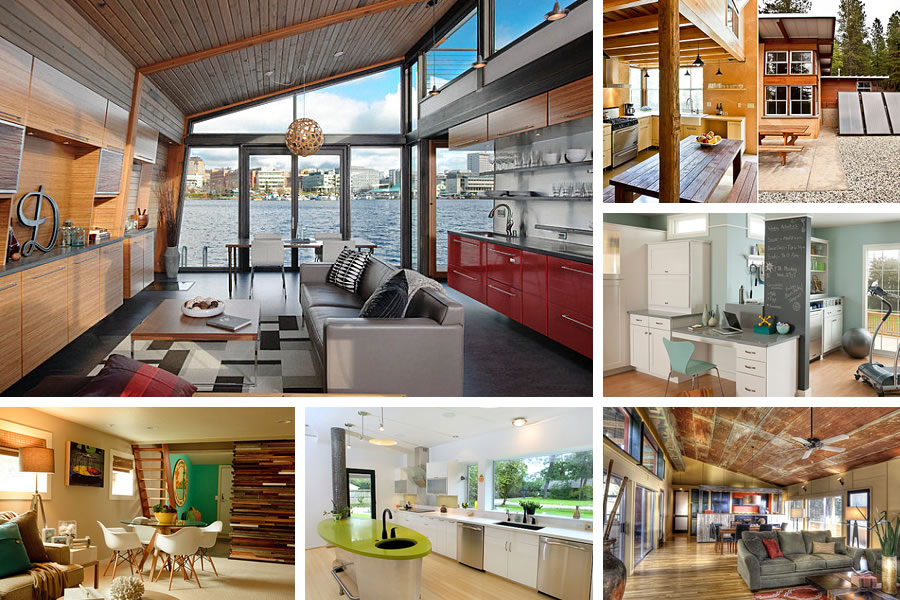
Flooring can significantly impact both the aesthetic and ecological footprint of your home. Sustainable flooring options not only enhance the beauty of your interiors but also support environmental conservation. Popular choices for eco-friendly flooring include bamboo, cork, and reclaimed wood, each offering distinct benefits for homeowners.
When selecting flooring materials, consider the following factors:
- Durability and lifespan: Opt for materials that are durable to reduce the need for frequent replacements.
- Source sustainability: Choose wood products certified by organizations like the Forest Stewardship Council (FSC).
- Recyclability: Select flooring that can be recycled at the end of its life cycle to minimize landfill waste.
By investing in sustainable flooring solutions, you foster a more eco-conscious home while enhancing its design and value.
Water-Saving Fixtures and Appliances
Integrating water-saving fixtures and appliances during your home renovation can significantly lower your water consumption and utility costs. Products such as low-flow toilets, faucets, and showerheads are designed to maintain performance while reducing water usage. Additionally, energy-efficient appliances, like dishwashers and washing machines, can further optimize your water and energy consumption.
Here are some benefits of choosing water-saving solutions:
- Lower water bills by reducing overall consumption.
- Conservation of water resources, an important consideration in many regions.
- Improved efficiency and functionality in daily tasks, making life easier for your family.
By selecting these environmentally friendly fixtures and appliances, homeowners not only contribute to sustainability but also enjoy long-term financial savings.
Utilizing Renewable Energy Sources
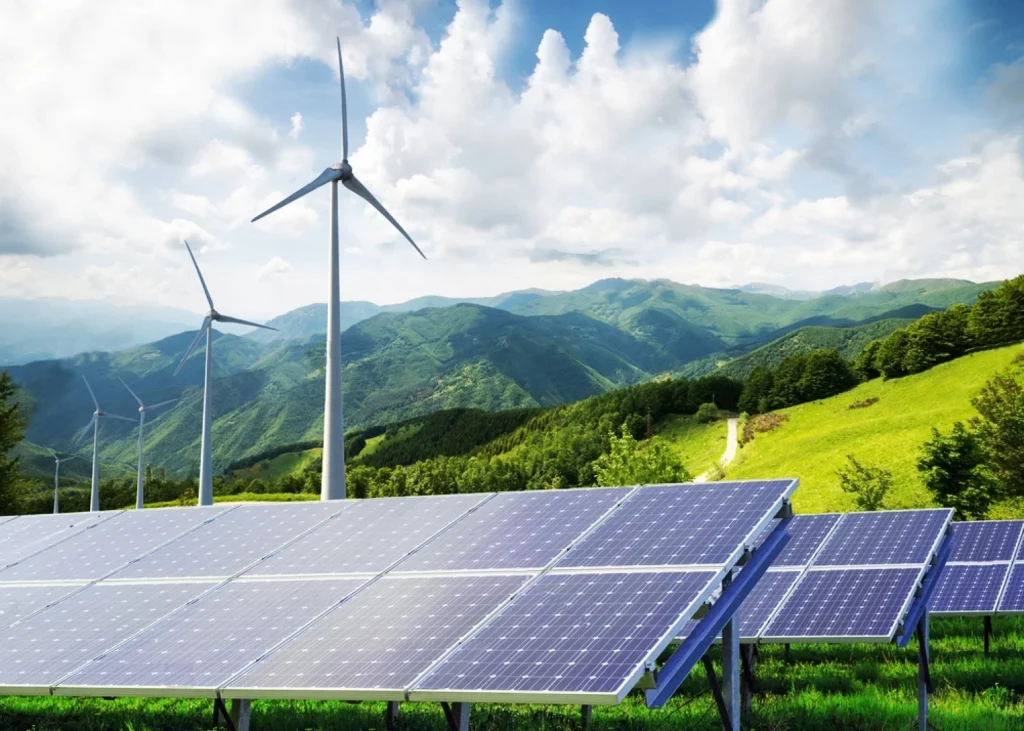
Incorporating renewable energy sources into your home renovation can offer substantial benefits, both financially and environmentally. Solar panels are a popular option, allowing homeowners to generate their electricity while reducing reliance on fossil fuels. Other alternatives, like geothermal heating and cooling systems, provide an efficient way to manage your home’s temperature year-round.
When exploring renewable energy options, consider the following:
- Initial investment costs versus long-term savings on energy bills.
- Available tax credits or rebates for renewable energy installations in your area.
- The potential increase in your property value upon upgrading to renewable energy systems.
Investing in renewable energy not only enhances the sustainability of your home but also positions you as a responsible steward of the environment, safeguarding resources for future generations.
Enhancing Outdoor Spaces with Sustainable Landscaping
As part of your eco-friendly renovation, transforming your outdoor spaces through sustainable landscaping can greatly enhance the natural beauty of your property while contributing positively to the environment. A well-designed landscape can support local ecosystems, reduce water runoff, and even provide food sources. Consider native plants, which are adapted to your local climate and require less water and maintenance than exotic species.
When planning your landscaping, keep the following guidelines in mind:
- Use native plants that provide habitat for local wildlife and require less irrigation.
- Incorporate xeriscaping techniques to minimize water use by planning your layout with drought-resistant plants.
- Implement rain gardens to manage stormwater runoff, allowing it to be absorbed into the ground while filtering pollutants.
By creating an outdoor space that blends aesthetics with sustainability, you not only enhance your home’s appeal but also contribute to environmental stewardship.
Smart Home Technology for Energy Efficiency
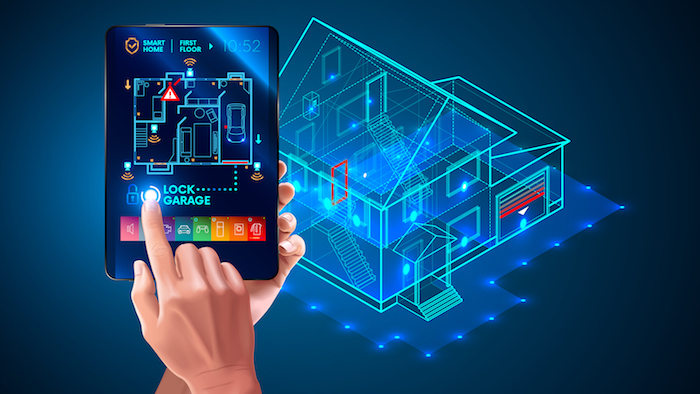
Another cutting-edge aspect of eco-friendly renovations is the adoption of smart home technology. Smart devices can help you closely monitor and manage your energy usage, which can lead to substantial savings. From programmable thermostats that adjust the temperature when you’re away to smart lighting systems that dim or turn off based on occupancy, these innovations make energy efficiency simpler and more effective.
Key components to consider when upgrading to smart technology include:
- Energy monitoring systems that provide insights into your home’s energy consumption patterns.
- Smart appliances that can optimize energy use during off-peak hours.
- Automated irrigation systems that conserve water by adapting to local weather conditions.
Integrating smart technology into your home renovation not only enhances convenience but also supports your overall goal of sustainability while potentially lowering energy costs significantly.